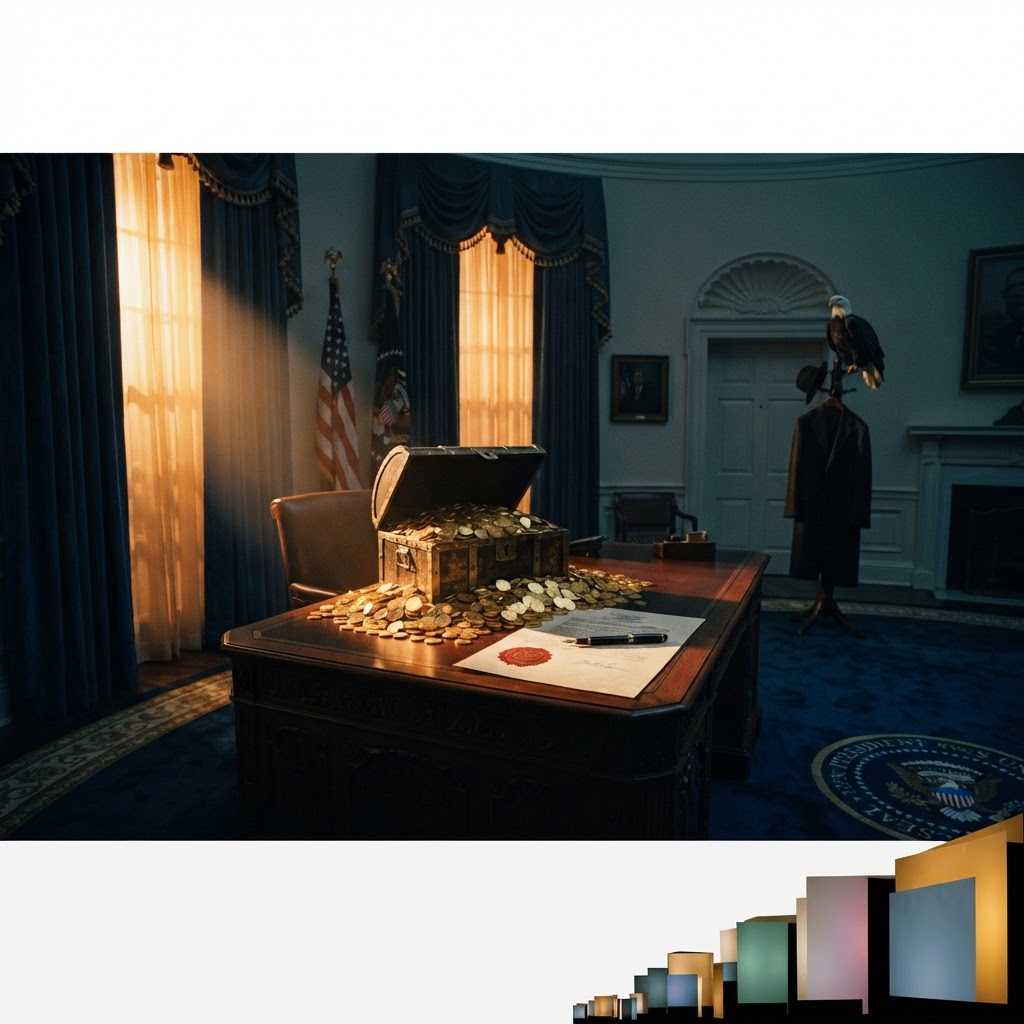
Stolen Renoir Recovered After Thief's DNA Found On Cheese Cracker Left Inside Frame
Investigators say the Gouda-based evidence was, quote, 'the most French thing we have ever encountered at a crime scene'
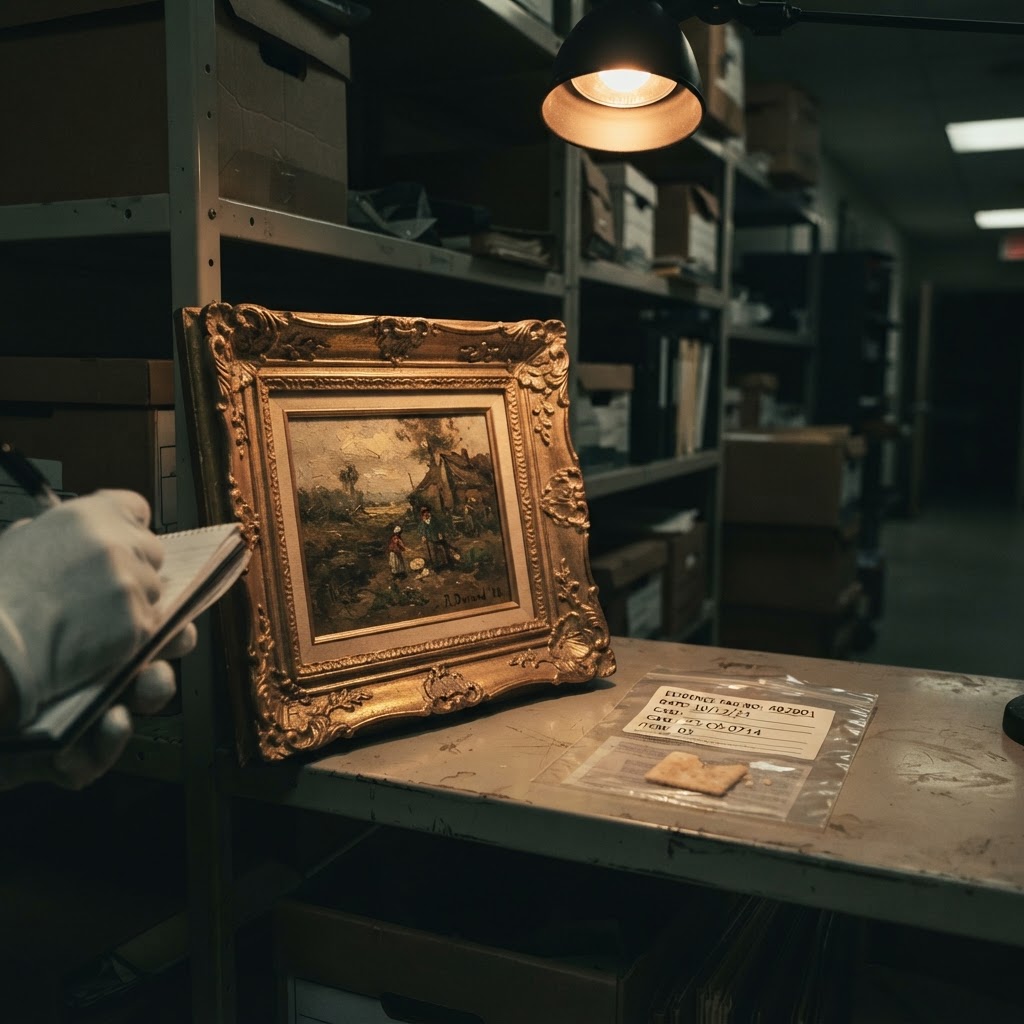
Image: Ramming Rhino News / Definitely Real Photography Dept.
PARIS — Authorities announced Tuesday the successful recovery of two stolen Renoir paintings after forensic investigators discovered a partially eaten cheese cracker lodged behind one of the stolen masterpieces, containing enough DNA to identify the suspect and, according to officials, 'a surprisingly detailed emotional profile.' The cracker, described in official reports as a 'lightly seasoned water biscuit paired with what we believe was an aged Gouda,' has been entered into evidence and is currently being stored at a higher humidity level than the paintings themselves.
The suspect, a 47-year-old man identified only as 'Thierry' in court documents, was reportedly apprehended at his home in Lyon, where investigators found both paintings hung prominently above his fireplace next to a framed photo of himself shaking hands with a man no one in the department could identify. 'He wasn't even hiding them,' said Chief Inspector Boulard-Fenwick of the Lyon Cultural Crimes Unit, gesturing broadly at nothing. 'He had little spotlights on them. Tiny, tasteful spotlights. The man has an eye, I'll give him that.'
The DNA match was made possible through France's newly expanded National Snack Registry, a database established in 2019 following what officials describe only as 'the Brie Incident' and which currently holds the genetic records of over 400,000 French citizens who have licked their fingers near a cultural institution. Registry spokesperson Delphine Marceau-Holt told reporters that the system 'works better than we expected and far better than we are comfortable admitting publicly.'
Renoir scholars were quick to weigh in, with Dr. Augustin Plume of the Sorbonne Institute for Things That Belong In Museums issuing a statement calling the recovery 'a triumph for civilization and a damning indictment of snacking habits near irreplaceable art.' Dr. Plume added that one of the recovered works, a small impressionist study of a woman reading, appeared to have been used as a surface upon which someone had rested a warm beverage, noting the faint circular impression with what he called 'a grief I cannot fully articulate.'
Thierry is expected to face charges including grand theft, criminal possession of cultural heritage, and what French prosecutors are calling 'audacious décor.' He has pleaded not guilty and, through his attorney, released a statement describing himself as 'a lover of beauty in all its forms,' which investigators noted was also written on his dating profile. The paintings are set to be returned to the Musée d'Orsay by end of month, pending the completion of a full forensic cracker analysis that authorities say could take 'several weeks and frankly represents the most fulfilling work this department has ever done.'